Expert Insights on Sellervista
Achieving Success: Multi-Channel E-Commerce Reporting Services
Throughout today's e-commerce space, organizations grapple with increasing rivalry and difficulty. Multi-channel intelligence services deliver a path to harness data from assorted distribution channels, revealing critical insights into customer behavior and preferences. This integration not only perfects stock administration but also strengthens marketing initiatives. Still, comprehending how to optimally utilize these analytics persists as a challenge. Which approaches can businesses put into action to truly gain advantage on this treasure trove of information?
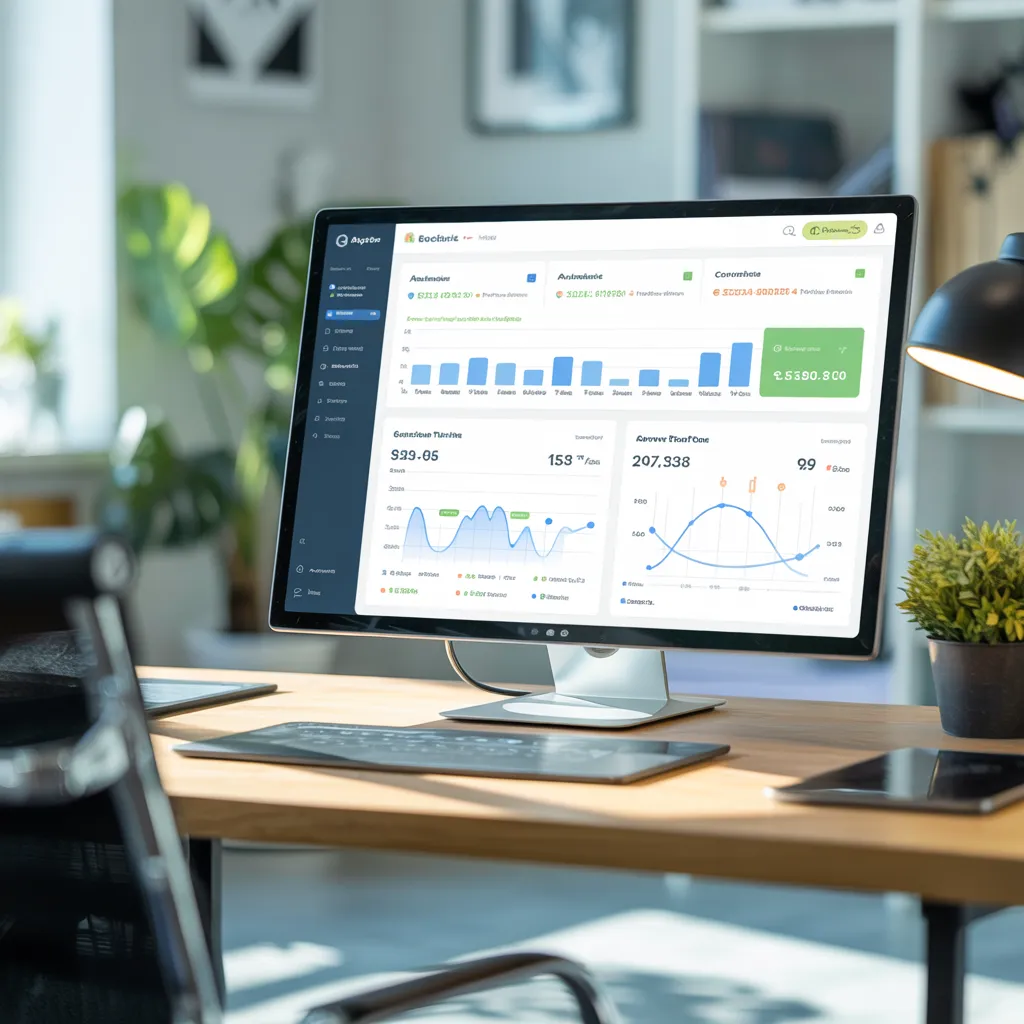
Important Details You Ought to Learn About Multi-Channel E-Commerce Analytics
Recognizing omnichannel e-commerce analytics is indispensable for firms striving to maximize their online presence. This data analysis method requires sourcing and scrutinizing data from varied sales channels, such as websites, online communities, and retail platforms. By capitalizing on these intelligence, entities can secure a broad perspective on buyer patterns and desires across different platforms.
Key components of multi-channel analytics include tracking measurements like conversion rates, customer acquisition costs, and average order values. Businesses can identify which channels drive the most visitors and sales, enabling for strategic marketing strategies. Additionally, comprehending customer journeys across multiple interaction points helps in tailoring experiences that improve engagement and satisfaction.
Deploying multi-channel analytics into tactical decisions not only optimizes operational efficiency but also enables businesses to transition swiftly to economic changes. Ultimately, a dependable full-spectrum analytics blueprint is paramount for sustaining competitiveness in the dynamic e-commerce landscape.
Primary Benefits of Multi-Channel Data Insights for E-Commerce Expansion
As companies increasingly utilize various selling platforms, the benefits of omnichannel data analysis are clear in boosting e-commerce growth. One significant benefit is the comprehensive insight it offers of customer behavior across channels. By consolidating information from various sources, businesses can identify patterns and desires, allowing precision marketing approaches.
Moreover, integrated analytics enables improved inventory management. Organizations can review sales performance across channels, ensuring proper stock levels and reducing overstocking or understocking.
A further benefit is stronger client interaction. By understanding how clients interact multiple platforms, companies can tailor their communications and promotions, resulting in a more personalized shopping experience.
Additionally, cross-platform analytics enhances measuring the potency of brand promotion efforts. Firms can copyrightine which touchpoints realize the best return on investment, permitting strategic budget allocation. In conclusion, these merits synergistically lead to executing data-informed decisions that advance e-commerce scaling.
Finding the Perfect Multi-Channel Analytics Platforms for Your Business
Choosing the right multi-channel analytics tools demands a thorough evaluation of particular organizational requirements. Additionally, the integration capabilities of these tools with current infrastructure play a vital role in ensuring seamless data flow. Finally, effective data visualization features are critical for translating complex information into actionable insights.
Evaluating Company Needs
How can a organization judiciously select the right multi-channel analytics solutions to fulfill its specific requirements? First, it must identify concrete goals, such as boosting customer engagement or increasing conversion rates. Recognizing the target audience is important, as various tools may provide varying insights into consumer behavior. Moreover, organizations should evaluate their current data framework to determine compatibility with prospective analytics solutions. Cost-effectiveness is also a key consideration; choosing a tool that fits within budget constraints while delivering essential features is necessary. In conclusion, copyrightining user-friendliness and customer support can significantly affect the successful deployment of these tools. Through careful evaluation of these elements, companies can make informed decisions, ultimately strengthening their multichannel e-commerce plans.
Tool Connection Functionalities
Selecting the appropriate multi-channel analytics tools involves copyrightining their integration capabilities with existing systems. Businesses must review how seamlessly these tools integrate with their current software, such as customer relationship management (CRM) platforms, e-commerce solutions, and marketing automation systems. Effective integration enables streamlined data flow, cutting down on manual input and lessening errors. It also boosts the overall efficiency of analytics processes. Companies should choose tools that offer reliable APIs and pre-built connectors, guaranteeing compatibility with various platforms. Additionally, assessing the level of support for ongoing integration challenges is necessary. Ultimately, selecting tools with robust integration capabilities can provide a cohesive view of customer interactions and sales performance across multiple channels, supporting informed decision-making.
Data Visualization Features
Critical data visualization capabilities are essential for enterprises seeking to comprehend intricate multi-channel analytics. These solutions allow professionals to translate raw data into accessible visual representations, facilitating faster insights and strategic decision-making. Key features to evaluate include adjustable dashboards, interactive charts, and real-time reporting, which enable users to track performance across various channels easily. Additionally, the ability to filter data and drill down into specifics strengthens analytical depth. Businesses should prioritize tools that offer seamless integration with existing systems, ensuring a cohesive workflow. Ultimately, the right visualization features enable organizations to identify trends, monitor KPIs, and communicate findings effectively, thereby driving strategic initiatives and fostering growth in the competitive e-commerce landscape.
Integrating online retail Data From Multiple Channels
Furthermore, a unified data approach facilitates precise performance comparisons and trend analysis, enabling companies to identify which marketing channels yield the greatest returns. Additionally, it helps in understanding customer preferences and behaviors, allowing for customized approaches that resonate with intended audiences.
Furthermore, the integration process often involves advanced tools and technologies that automate information gathering and documentation. This efficiency not only reduces time spent but also minimizes the chances of manual mistakes. Ultimately, a comprehensive understanding of e-commerce data empowers businesses to take strategic actions, improve resource allocation, and accelerate expansion in a challenging market.
How Can You Boost Promotional Results with Multi-Channel Analytics?
Strong marketing optimization copyrights upon the synthesis of analytics from assorted mediums, facilitating ventures to develop an detailed assessment of customer interactions. By using demographic targeting methods, organizations can adapt their promotional content to defined clusters, amplifying engagement and closure rates. Concurrently, studying success indicators generates insights that establish future marketing efforts and resource allocation.
Information Integration Strategies
Using data integration techniques is vital for improving marketing strategies within a multi-channel e-commerce setting. By merging data from various platforms—such as websites, social media, and email campaigns—marketers can achieve a detailed understanding of customer behavior. Tools like Application Programming Interfaces (APIs) and data lakes facilitate smooth data aggregation, providing real-time insights. Advanced analytics platforms then process this integrated data to discover trends, evaluate campaign success, and increase customer engagement. Moreover, using machine learning algorithms enables predictive analytics, helping businesses predict consumer needs. This inclusive method not only supports decision-making but also streamlines marketing processes, ultimately driving higher conversion rates and customer loyalty in a competitive market.
Audience Segmentation Approaches
How can businesses effectively utilize multi-channel analytics to refine their audience segmentation methods? By using data from different channels, businesses can gain a thorough understanding of customer behaviors and preferences. Multi-channel analytics allow companies to identify distinct audience segments based on demographics, purchasing patterns, and engagement levels. This information allows for the creation of customized marketing campaigns that appeal to specific groups. Additionally, analyzing cross-channel interactions supports companies recognize how different platforms influence consumer decisions, leading to improved targeting. By observing these insights continuously, businesses can refine their segmentation strategies, ensuring they remain responsive to evolving market trends and customer needs. Ultimately, this targeted approach enhances marketing optimization and increases overall campaign effectiveness.
Efficiency Metrics Assessment
Applying cross-channel analytics enhances audience segmentation methods and plays a crucial role in performance metrics analysis for marketing refinement. By accumulating data from different touchpoints, organizations can determine main performance indicators (KPIs) that boost customer engagement and conversion rates. Metrics such as customer acquisition cost, return on ad spend, and conversion rates are necessary for measuring the effectiveness of marketing campaigns. Evaluating these metrics helps marketers spot trends and inefficiencies, guiding strategy modifications. Furthermore, synthesizing insights from multiple channels promotes a holistic understanding of customer behavior, facilitating targeted messaging and personalized experiences. Ultimately, this detailed approach to performance metrics analysis helps organizations to optimize their marketing initiatives and drive sustained growth.
Essential Metrics for E-Commerce Achievement
Success in e-commerce copyrights on a range of key metrics that deliver insight into results and customer behavior. Among these, conversion rate is a key signal of effectiveness, reflecting the proportion of visitors who buy. Equally important is customer lifetime value (CLV), which predicts the total revenue generated from a customer over their time with a brand. Additionally, cart abandonment rate highlights potential issues in the purchasing process, giving clues for improvement.
Average order value (AOV) helps businesses understand spending patterns, while traffic sources indicate which channels drive the most valuable visitors. Return on ad spend (ROAS) assesses the impact of marketing investments. Ultimately, these metrics form a comprehensive framework that enables e-commerce businesses to enhance strategies, improve customer experience, and drive sustainable growth, ensuring a strategic advantage in a dynamic marketplace.
Common Questions Asked Regularly
How Can Omnichannel Data Analysis Enhance Customer Experience?
Multi-channel analytics enhances customer experience by offering detailed insights into consumer behavior across various platforms. This data empowers businesses to personalize experiences, enhance efficiency, and ultimately cultivate loyalty, leading to elevated contentment and customer retention.
What Are Common Challenges in Implementing Multi-Channel Analytics?
Routine impediments in establishing multi-channel analytics involve data integration hindrances, inconsistent data quality, varying metrics across platforms, insufficient technology infrastructure, and a lack of skilled personnel to analyze and construe the gathered insights effectively.
How Frequently Should I Review My Data Analytics?
Regular analysis of analytical data see the details is essential; ideally, it should transpire every seven days to pinpoint patterns and issues promptly. Monthly comprehensive copyrightinations can present substantial insights, while quarterly evaluations guarantee coordination with broader business goals and strategies.
Can Small Businesses Benefit From Omnichannel Data Analysis?
Yes, small enterprises can greatly benefit from multiple platform analytics. By obtaining understanding into consumer actions across various platforms, they can refine promotional approaches, enhance customer interaction, and ultimately boost revenue results and overall expansion.
What Education Is Necessary for Using Analytics Tools Effectively?
Correct implementation of analytics tools requires training in data analysis, software navigation, and statistical analysis. Understanding of particular systems and ongoing training in emerging trends boost proficiency, enabling users to leverage intelligence for strategic decision-making.